Generation pathway
On-site renewable generation
Map wind, solar, or a suitable combination around site resource, demand, space, operating profile, and commercial priorities.
Discuss this outcomeRenewable Technologies & Energy Systems
Solutions
Harobal Energy approaches a solution from the operating requirement—not from a fixed catalogue. Technologies and delivery partners are mapped only after the context, constraints, and intended result are understood.
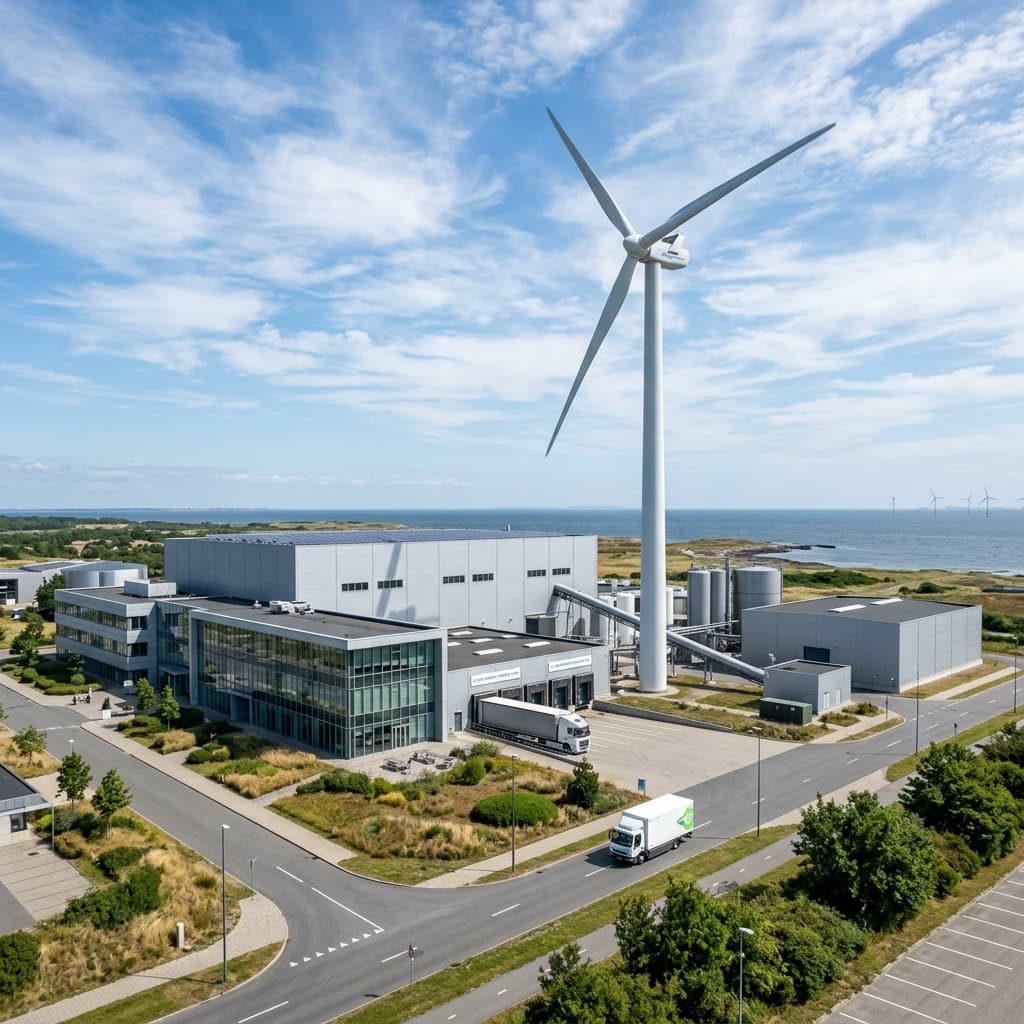
Requirement-led by design
The right architecture begins with the operating reality.
Solutions by outcome
One requirement may involve a single technology; another may need generation, flexibility, controls, and partner-led delivery working together.
Map wind, solar, or a suitable combination around site resource, demand, space, operating profile, and commercial priorities.
Discuss this outcomeEvaluate storage, controls, and backup architectures where continuity, power quality, or reduced grid dependence matters.
Discuss this outcomeBring generation, storage, controls, and existing power sources into a qualified architecture for remote or constrained sites.
Discuss this outcomeStart with load behavior, tariffs, operational constraints, and energy objectives before defining a technology or sourcing route.
Discuss this outcomeConsider EMS, telemetry, dashboards, alerts, analytics, and service workflows as part of the operating model—not an afterthought.
Discuss this outcomeExplore storage, renewable fuels, and other emerging technologies only where the use case, economics, and partner capability justify it.
Discuss this outcomeSystem architecture
Depending on the requirement, a complete pathway may need multiple technical and operating layers—with a responsible party defined for each one.
Wind, solar, and other qualified sources
Power electronics, controls, and protection
Storage, backup, and load coordination
Monitoring, EMS, alerts, and analytics
Application contexts
Sector labels help organize the inquiry, but site conditions and project evidence still determine the technology and partner path.
Facilities, plants, warehouses, hospitality, and multi-site operating portfolios.
Transport, utilities, public assets, logistics, and essential operating sites.
Farms, productive loads, rural enterprises, and distributed community needs.
Education, healthcare, public institutions, and multi-building environments.
Locations where access, fuel logistics, uptime, and remote visibility shape the solution.
Developers, advisors, and owners seeking technology or partner mapping for a defined opportunity.
Project pathway
Clarify the site, load, outcome, constraints, geography, and project stage.
Identify missing data, feasibility questions, and the level of assessment required.
Connect the requirement with relevant technology categories and potential partners.
Define commercial, manufacturer, engineering, delivery, service, and customer roles.
Proceed only when scope, evidence, responsibilities, terms, and the next decision are clear.
Accountable delivery
Requirement discovery, technology and partner mapping, and commercial coordination as agreed.
Product design, technical documentation, manufacturer commitments, and applicable warranty terms.
Contracted engineering, EPC, installation, commissioning, service, monitoring, or O&M scope.
Start with the requirement
A preliminary discussion can clarify what information is missing, which technology areas are relevant, and which qualified parties need to be involved.